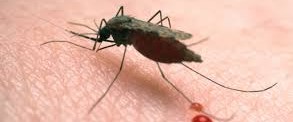
New malaria research programme in Ethiopia

We recently received the good news the Research Council of Norway will fund the project: “Combining indoor residual spraying and long-lasting insecticidal nets for preventing malaria: Cluster randomised trial in Ethiopia”.

This research aims to improve malaria control by evaluating the combined effect of indoor residual spraying (IRS) and long-lasting insecticidal nets (LLINs) on malaria incidence in Ethiopia. This project addresses how to promote uptake of research findings into public health programmes by enhancing our knowledge on interventions that will improve the effectiveness and coverage of malaria control programmes. It includes community randomised controlled trials to assess effectiveness of multiple interventions in combination versus one method alone within routine malaria control settings.

The clinical study objectives are to examine if IRS with insecticide and LLINs provide added protection against clinical malaria compared with LLINs alone. In the health economic part we shall estimate the costs of LLINs alone or combined with IRS, compared with current standard practice in the study settings. The study will also include studies on the anopheles mosquito where we aim to assess whether IRS with insecticide plus LLINs reduces vector biting and resting preference and density, longevity, infection and entomological inoculation rates inside houses when compared with LLIN alone.

We plan to start preliminary studies in late 2012, with start of the trial during the main malaria season in 2013. The planned study site is in the Adami Tullu area in the central part of the Rift valley in Ethiopia. This research will build up on the already established research collaboration between the University of Bergen, Addis Ababa University (School of Public Health and Aklilu Lemma Institute of Pathobiology), Hawassa University, and the Ethiopian Ministry of Health (Malaria Control).

Malaria mosquito larvae in the highlands of south-central Ethiopia

This study shows that streams serve as the main breeding sites of anopheline mosquitoes in the Butajira area of south-central Ethiopia. Density of larvae of An. arabiensis, the main malaria vector in the country, was highest along the Odamo stream (1817 m altitude) and decreased significantly along the streams with increasing altitude.

The following text contains the abstract of the article:

Abebe Animut, Teshome Gebre-Michael, Meshesha Balkew and Bernt Lindtjørn. Abundance and dynamics of anopheline larvae in a highland malarious area of south-central Ethiopia. Parasites & Vectors 2012, 5:117 doi:10.1186/1756-3305-5-117

Background: Malaria is a public health problem in Ethiopia, and increasingly so in highland areas, possibly because of global warming. This study describes the distribution, breeding habitat and monthly dynamics of anopheline larvae in Butajira, a highland area in south-central Ethiopia.

Methods: A study of the abundance and dynamics of Anopheles larvae was undertaken at different sites and altitudes in Butajira from July 2008 to June 2010. The sites included Hobe (1817m.a.s.l), Dirama (1995m.a.s.l.) and Wurib (2196m.a.s.l.). Potential anopheline larval habitats were surveyed once per month in each village. The recorded characteristics of the habitats included habitat type, pH, surface debris, emergent plants, algae, substrate, turbidity, temperature, length, width, depth, distance to the nearest house and anophelines. The Spearman correlation coefficient and Mann-Whitney U test were used to calculate the degree of association between the density of anopheline species and key environmental factors.

Results: Among the different types of habitat surveyed, the Odamo, Akamuja and Assas streams and Beko swamp were positive for anopheline larvae. A total of 3,957 third and fourth instar larvae were collected from the three localities, and they represented ten species of anophelines. These were: Anopheles cinereus (32.5%), An. arabiensis (31.4%), An. chrysti (23%), An. demeilloni (12.2%), An. pretoriensis (0.6%), An. azaniae (0.1%), An. rufipes(0.1%), An. sergentii (0.06%), An. garnhami (0.06%) and An. pharoensis (0.03%). The density of anopheline larvae was highest during the dry months. An. arabiensis was widely distributed, and its density decreased from the lowest elevation in Hobe to the highest in Wurib. The density of An. arabiensis larvae was correlated positively with larval habitat temperature (r = 0.33, p < 0.05) and negatively with depth of larval habitat (r = 0.56, p < 0.05).

Conclusion: Ten species of anophelines were identified, including two known vectors of malaria (An. arabiensis and An. pharoensis), along streams in Butajira. Larvae of An. arabiensis were found in streams at 2200m.a.s.l. This possible expansion of the malaria vector to highland areas indicates an increasing risk of malaria because a large proportion of the Ethiopian population live above this altitude.