Validation of seasonal rainfall forecast in Ethiopia

Korecha, D., and A. Sorteberg (2013), Validation of operational seasonal rainfall forecast in Ethiopia, Water Resour. Res., 49, doi:10.1002/2013WR013760.

Operational rainfall forecasts using the analog method have been issued in Ethiopia since 1987. We evaluate the performance of the forecast system for February–May and June–September rainy seasons over the period 1999–2011. Verification is performed using rainfall data obtained from Ethiopian meteorological stations covering eight homogeneous rainfall regions used in the forecasts. The results reveal that forecasts issued by the National Meteorological Agency (NMA) of Ethiopia, for the past 12 years have a weak positive skill for all eight regions compared with climatology. In terms of ranked probability skill scores, the values are all lower than 10% indicating that the forecast skill is modest. The results further suggest that the forecasting system has bias toward forecasting near-normal conditions and has problems in capturing below average events. In contrast, the forecast has some positive skills in ranking the wet years of February–May season, particularly over the regions where there is high seasonal rainfall variability with significantly positive rank correlations for the above average years. For the main season, however, the forecast is not able to rank wet years or dry years. The extreme low and high rainfall events are mostly missed by the forecast scheme. The results indicate rather low forecast skill for extreme rainfall events in both seasons. Generally, the results indicate that NMA’s forecasts have low but positive skill as it is common with results from other forecasting systems for the Greater Horn of Africa region. The underforecasting of dry events is the most serious shortcoming of the system.

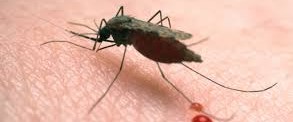
Housing and Anopheles arabiensis density in Ethiopia

Animut A, Balkew M, Lindtjorn B. Impact of housing condition on indoor-biting and indoor-resting Anopheles arabiensis density in a highland area, central Ethiopia. Malaria journal 2013;12(1):393.

Background
Exposure of individuals to malaria infection may depend on their housing conditions as houses serve as biting and resting places of vectors. This study describes the association of housing conditions with densities of indoor-biting and indoor-resting Anopheles arabiensis in Hobe, Dirama and Wurib villages of a highland area in central Ethiopia.

Methods
Data on housing conditions, including presence of house apertures, number of occupants and number and the type of domestic animal tethered inside, were collected. Indoor-biting mosquitoes were sampled using Centers for Disease Control (CDC) light traps and indoor-resting mosquitoes sampled with pyrethrum spray catches (PSCs) monthly for two years (July 2008 to June 2010). Female anophelines were identified to species and processed. Univariate and general linear estimating equation allowing for repeated measures were used to assess the contribution of housing conditions for indoor-biting and indoor-resting An. arabiensis.

Results
About 96% (4,597/4,788) of anophelines were caught inside residential houses. Nine anopheline species were identified, among which An. arabiensis was most prevalent (2,489; 52%). Vectors entering houses were higher in those situated at low (β = 4.475; 95% CI = 3.475-5.476; p <0.001; β = strength of the association) and medium (β = 2.850; 95% CI = 1.975-3.724; p <0.001) altitudes compared to high altitude, and where houses have no windows (β = -0.570; 95% CI = -1.047-0.094; p = 0.019) compared with those that have. Numbers of indoor-resting vectors were higher in those situated at low (β = 6.100; 95% CI = 4.571-7.629; p <0.001) and medium (β = 4.411; 95% CI = 2.284-6.537; p <0.001) altitudes compared to high altitudes, and where houses had open eaves (β =1.201; 95% CI = 0.704-1.698; p <0.001) compared with those that had closed eaves.

Conclusion
Housing conditions such as presence of open eaves, absence of window, location at low and mid altitudes, were strong predictors of indoor exposure to An. arabiensis bite in a highland area of south-central Ethiopia.